


Prevention
The importance of preventive care for brain health
Learn how to protect your brain health and reduce your risk of neurological conditions such as dementia and stroke by adopting these lifestyle habits.
By Hallie Levine
October 29, 2026
Key takeaways
- As many as 54% of Americans live with a neurological condition, and some, like stroke and dementia, may be preventable.
- Everyday lifestyle habits, like how often you exercise, what you eat, and how much sleep you get, can positively impact brain health and reduce your risk of certain neurological diseases.
- It’s important to know key health markers like your blood pressure, cholesterol, and blood sugar levels. If any are elevated, talk to your doctor about lifestyle measures and medications that can help.
Shaun Chavis, 59, has worried about her risk of developing dementia since her grandmother died of the condition almost three decades ago. “It was very hard to watch her deteriorate to the point where she didn’t recognize me or know where she was,” says Chavis, a content strategist who lives in Mexico City.
For years, Chavis has embraced a brain-healthy lifestyle that includes a Mediterranean-style diet and regular exercise. But when she moved to Mexico in early 2026, she decided to be even more proactive with her brain health. “I signed up for an immersive Spanish course where I spend four to five hours a day speaking, listening, and reading only that language,” she says. “I did it initially because I thought it might reduce my risk of dementia, but it’s helped my brain in other ways, too—I have a better memory, faster recall, and just seem better able to [manage] the tasks of everyday life.”
Chavis’s instincts may have been correct. According to a 2026 study published in Neurology®, engaging in a variety of intellectually stimulating activities, like reading, writing, and learning a language, may be associated with a lower risk of Alzheimer’s disease.
One in two people in the United States has a neurological condition. While genetics and family history can increase the risk of some conditions, they do not necessarily determine a person’s future. Healthy habits may help reduce the risk of conditions such as stroke, dementia, diabetic neuropathy, and migraine, says Niranjan Singh, MD, FAAN, a neurologist at SSM Health Medical Group.
Why preventive care matters
Brain health refers to the overall condition of your brain that allows you to stay as socially active, engaged, and mentally sharp for as long as possible. But like everything in your body, your brain health changes across your lifespan.
“Taking care of our brains is often something we only think about later in life, but it’s important at any age,” says Calli Cook, DNP, FAAN, a neurology nurse practitioner at Emory Brain Health Center in Atlanta, GA. “Everyday lifestyle habits like how you sleep, what you eat, and how often you exercise really add up over time.”
There are three major risks to your brain health: vascular, metabolic, and behavioral. Vascular brain health refers to the condition of the blood vessels that supply your brain with oxygen and other nutrients. “When these vessels are damaged, they raise the risk of both stroke and dementia,” says Dr. Singh. “I can’t tell the number of times I’ve seen a patient who had a massive stroke due to a large blood clot in their brain that could have been prevented if they’d just been on medication to treat high blood pressure.”
Your metabolic health matters, too. “If you have high blood glucose levels, you’re at increased risk to develop type two diabetes, which is a risk factor for neurological conditions such as stroke, dementia, and peripheral neuropathy,” says Dr. Singh. Finally, certain behaviors—like sitting still for long periods of time, eating a high-fat diet, drinking too much alcohol, isolating yourself—can all worsen brain health and raise stroke risk.
Free brain health insights
Our email newsletters deliver tips, resources, and inspiration straight to your inbox.
Lifestyle changes for brain health
Here are 10 ways to improve your brain health, according to neurology specialists.
Know your numbers
It’s important to know what your blood pressure, cholesterol, and blood sugar levels are, even if you feel fine. Ideally, your blood pressure should be less than 120/80. Your LDL, or “bad” cholesterol, should be less than 100 (and even lower if you have other risk factors for stroke). Your hemoglobin A1C—the measure of your blood sugar over a two-to-three-month period—should be under 5.7%. If your numbers are higher than that, talk to your doctor about lifestyle changes or possibly medication.
Exercise regularly
Regular physical activity through mid- and late life is associated with an over 40% reduced risk of developing dementia. The American Heart Association recommends at least two and a half hours of moderate activity, like brisk walking, a week. They also recommend strength training at least two days per week. This level of exercise also reduces the risk of stroke by 25%.
Eat a Mediterranean-style diet
This plant-based diet is rich in fruits, vegetables, whole grains, nuts, seeds, and healthy fats like avocado, olive oil, and fatty fish. It has been proven to lower the risk of both stroke and dementia. A 2026 study published in Neurology® found that women who followed a Mediterranean diet had a reduced risk of stroke by almost 20% over twenty years.
Stay social
People who are very social in mid-life and beyond have a 30% to 50% reduced risk of developing dementia. “People who are very socially engaged tend to be more active and healthier than those who are more isolated,” explains Dr. Singh. “It may also be that they are less likely to be anxious or depressed, both of which can also raise dementia risk.”
Keep your mind engaged
You don’t need to enroll in an immersive language course or take up a new instrument. But everyday challenges, like trying a new recipe or a new way to do a task, strengthen your brain by forcing it to work in a different way. Even sitting and reading a book has been associated with better brain health.
Protect your head
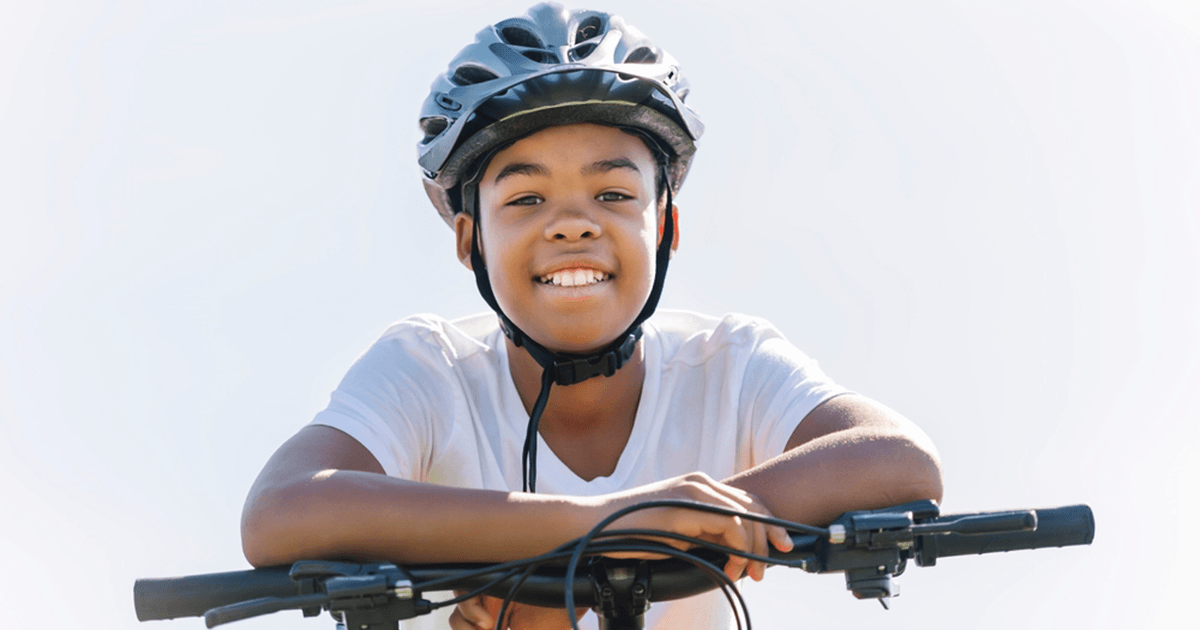
About 69,000 Americans die from traumatic brain injuries (TBIs) every year, and many of them are preventable. “We often associate TBIs with contact sports like football, but if they occur after the age of 50, they’re usually due to falls,” says Dr. Singh. He recommends that all older adults regularly do strength and balance exercises and review their medications once a year with their doctor to make sure none cause dizziness. Other advice for people of all ages is to always wear your seat belt in the car. Always wear a helmet if you ride a bike, motorcycle, ATV, horse, ski, or snowboard, or play contact sports like football, ice hockey, or boxing.
Get your hearing and vision checked
Any hearing loss is associated with an over 70% increased risk of developing dementia. Vision loss, including untreated cataracts, also increases risk. This risk can be reduced by wearing hearing aids or eyeglasses.
Make sure you are current on vaccines
Research shows that people who regularly receive an annual flu vaccine have a reduced risk of dementia. A 2026 study found that older adults who received the shingles vaccine were 24% less likely to be diagnosed with dementia over a four-year period than those who weren’t vaccinated. Vaccinations can help prevent infections. Fewer infections may mean less inflammation in the body, which leads to better brain health.
Prioritize sleep
Sleep is essential for brain function. “It reduces inflammation, and it’s also the time when your body removes amyloid plaques in your brain that contribute to Alzheimer’s disease,” says Dr. Singh. A consistent sleep schedule can also help with migraine prevention and may reduce seizure frequency in people with epilepsy.
Talk to your doctor about preventive treatments
While about 40% of patients with migraine could benefit from preventive treatment, fewer than 13% use these medications. This is similar to other chronic conditions that can impact your brain, like pre-diabetes. “If we can effect change early, it can really improve brain health and reduce risk for conditions like dementia or stroke,” says Dr. Cook.
There is no guaranteed way to prevent every neurological condition. But making brain-healthy choices like exercising, eating nutritious foods, sleeping well, staying socially connected, and managing blood pressure, cholesterol, and blood sugar can help. Talk with your doctor about which changes and preventive treatments may be most helpful for you.
Read online at https://www.brainhealth.com/wellness/prevention/preventive-care-brain-health/